Exploring Sound and Style
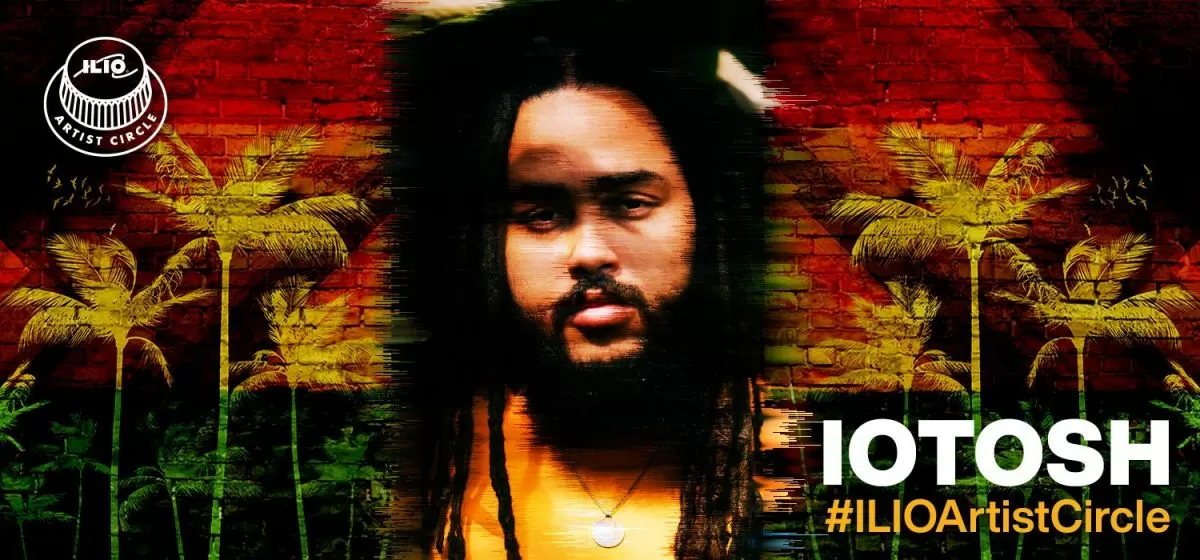
Producer/performer Iotosh is part of a new wave in reggae music; blending hip-hop, R&B and rap into the classic styles of reggae and dancehall. Which is only logical, since the 24-year-old artist (full name Iotosh Poyser) had been exposed to a lot of styles of music from his parents. His father (Ragnam Poyser) was a songwriter, producer and artist who wrote songs for legendary reggae artists like Sizzla and Luciano, and released some music under his own name as well. His mother was a music journalist (Michele Geister) who worked as a VJ at a station called Much Music in Canada, their version of MTV back in the day. Iotosh recalls, “They were both big influences on me as a child. A wide range of music was played in our household.”
Asked who his top influences are, Iotosh replied, “What formed my sound in music was heavy inspiration from people like Damian Marley — Bob Marley, of course — but also a lot of rap music. Eminem was a big influence for me as an artist, as was Nas. Producers like DJ Premier, Dr. Dre, J Dilla… and then reggae producers like Scratch Perry and stuff like that. So a lot of heavy hip-hop influence, but a majority of what I’m about is the music from Jamaica.”
“What formed my sound in music was heavy inspiration from people like Damien Marley — Bob Marley, of course — but also a lot of rap music.”
Only a few years into his burgeoning career, Iotosh has seen phenomenal success, first and foremost as a producer, with artists such as Jah9, with three tracks from her Note To Self album released in 2020. “I co-produced two songs on it, including the title track, which includes Chronixx. That was my first feeling of what it means to have a song playing on the radio everywhere.” This was followed quickly by producing two tracks on an album from Protoje.
Other credits include working with well-known artists like Koffee, Lila Iké, Jesse Royal and Kabaka Pyramid, and rising stars such as Runkus, Zac Jone$, Royal Blu, Blvk H3ro and Jaz Elise. He released his first song as a performing artist in 2021, called “Fee Fi Foe,” and it received worldwide airplay and acclaim. So it has been a very busy few years for this rising star in the Jamaican music scene.
Musical Roots
Iotosh started making music on a guitar, bass and the Casio keyboard his mother got him as a child. "I play guitar and bass, but I feel the main instrument I use to make music is the computer.”
“I just started messing around with it,” he recalls. “ It had that function where you could record into the Sound Bank, and I used that to record my little ideas. Later, in my teenage years, I got into FL Studio, and that gave me the best canvas to make music. Lots of different sounds and sequencing, and stuff like that.”
“I play guitar and bass, but I feel the main instrument I use to make music is the computer.”
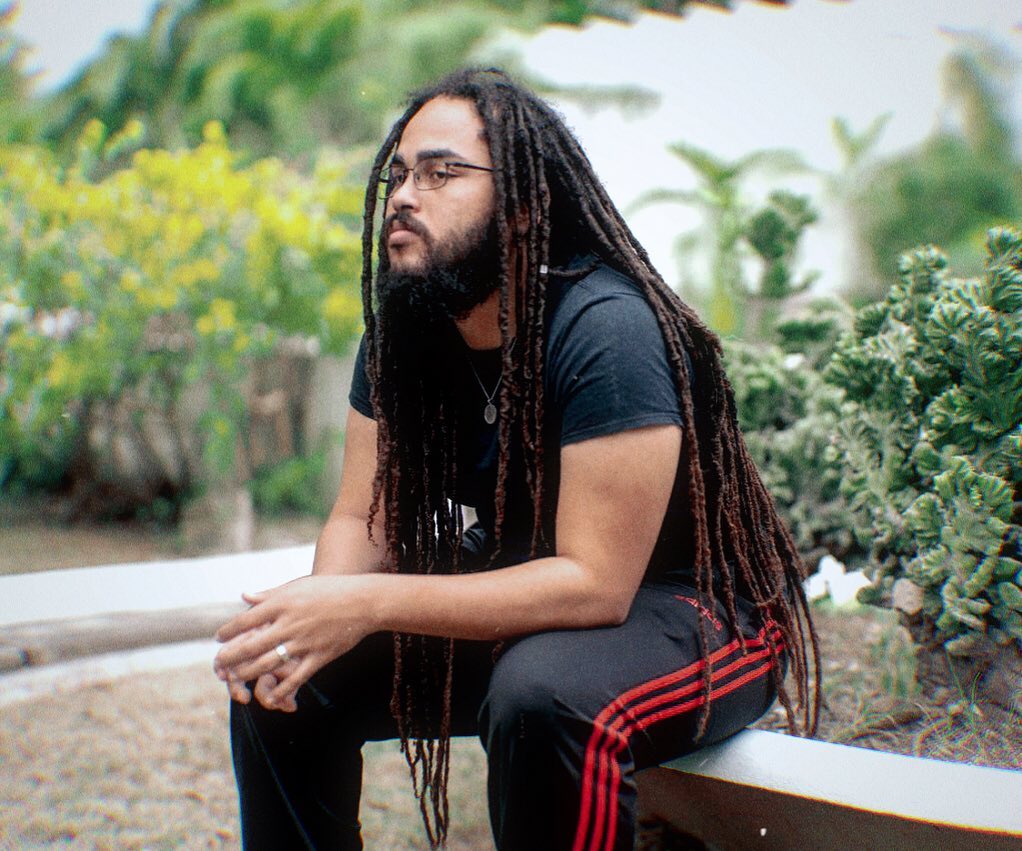
“I made the tough decision to leave high school when I was in 11th grade. I wanted to go to college to study actuarial science but based on the situation at home, and also recognizing that I didn’t really like school, I decided that I didn’t want to be crunching numbers for the rest of my life. I wanted to be making beats, and writing songs. I left school in 2016, and between then and 2020 it’s a blur for me, because nothing was really happening. I wasn’t getting any credits, but I was still doing the work, making songs with smaller artists. I kind of took a leap there, and I’m grateful that now it’s starting to pay off, because it didn’t have to. It’s very uncommon to become successful.”
The Creative Process
Asked about how his creative process has developed since the beginning, Iotosh reacts, “That’s a good question. Of course, when you’re just starting out you don’t know what you’re doing, so you create what makes you feel good. Now it’s more of a blend… I’ll make something just because I feel like it, but then I want to be directed towards something more specific. I think I’ve become a lot more intentional with the decisions that come with music-making.”
“I think I’ve become a lot more intentional with the decisions that come with music-making.”
“Like for the Koffee tune, I had made that beat in my bedroom. I wanted it to have a dancehall sound but I wanted it to be kind of gritty as well, so I had some saturation on the entire beat just to give it this ‘rough around the edges’ feeling. I’ve just learned what it means to do things, and now I’m more intentional in implementing them.”
Discussing how he approaches the choice of trying to serve the artist’s known sound versus his own artistic tendencies, he relates, “A lot of it still comes from what my sound is. I’m privileged enough, in a sense, to go through my career so far without having to compromise much. I think that comes from the influences that I’ve listened to: their work was very focused and defined. By the nature of me listening to them a lot, it made my productions more pointed. And artists ‘get it’ and can work with it.”
As an example, Iotosh recalls how he came up with his recent track for Protoje:
“When I’m in a creative mood I’m just a vessel. All of the inspirations that have converged in my brain, they all blend into this very uniform influence, you know? <laughs> “Deliverance” is such a creative track, because initially it was a more traditional roots/reggae instrumental. I had what they call steppers, which is a 4-on-the-floor kick pattern, and then you have the regular placement of a reggae snare.” In these ways, he explains that "what’s happening now in Jamaican music is my generation, and the one just before us, are breaking the mold of what it means to be a Jamaican musician.”
“So Protoje said, ‘yeah, it’s got a vibe, but I’m not sure…’ So I said I’d rework it, and as you can hear, it got very trap-influenced, with the 808 hi-hats. And these interesting synth chords that draw on the influences of R&B, maybe even a bit of the psychedelic rock stuff I’ve been listening to. Just hearing random atmospheric sounds coming in and out. Everything really came together in a really beautiful way that is very true to my influences.”
“What’s happening now in Jamaican music is my generation, and the one just before us, are breaking the mold of what it means to be a Jamaican musician.”
Iotosh and his peer producers and musicians are crafting a new style and sound for Jamaican music, drawing from their more current genre influences while retaining respect for all that has come before them. “It’s like Koffee”, Iotosh explains, “ she doesn’t sound anything like reggae from the ‘80s, or even the ‘90s. But she’s still under that umbrella term of reggae. So me, being one of the producers in this kind of movement, it’s different, and I think what we’re trying to do is convince people who have been sticking to what they know to try what we’re doing, even though it’s a little bit different. It can still work.”
Who’s the Client?
With so much production work in his background, we asked Iotosh if he separates his ideas and experiments between work for others or for himself. He thought carefully, and then replied, “I’m learning to believe more that just because an artist didn’t use something doesn’t mean that it’s not worth anything.” He explains, “most times it’s difficult for me to make a beat and see it as mine to hop on and make a song right away. Actually, now that I think of it, a lot of the songs that I’m working on currently for myself started as beats for other people.”
“I’m learning to believe more that just because an artist didn’t use something doesn’t mean that it’s not worth anything.”
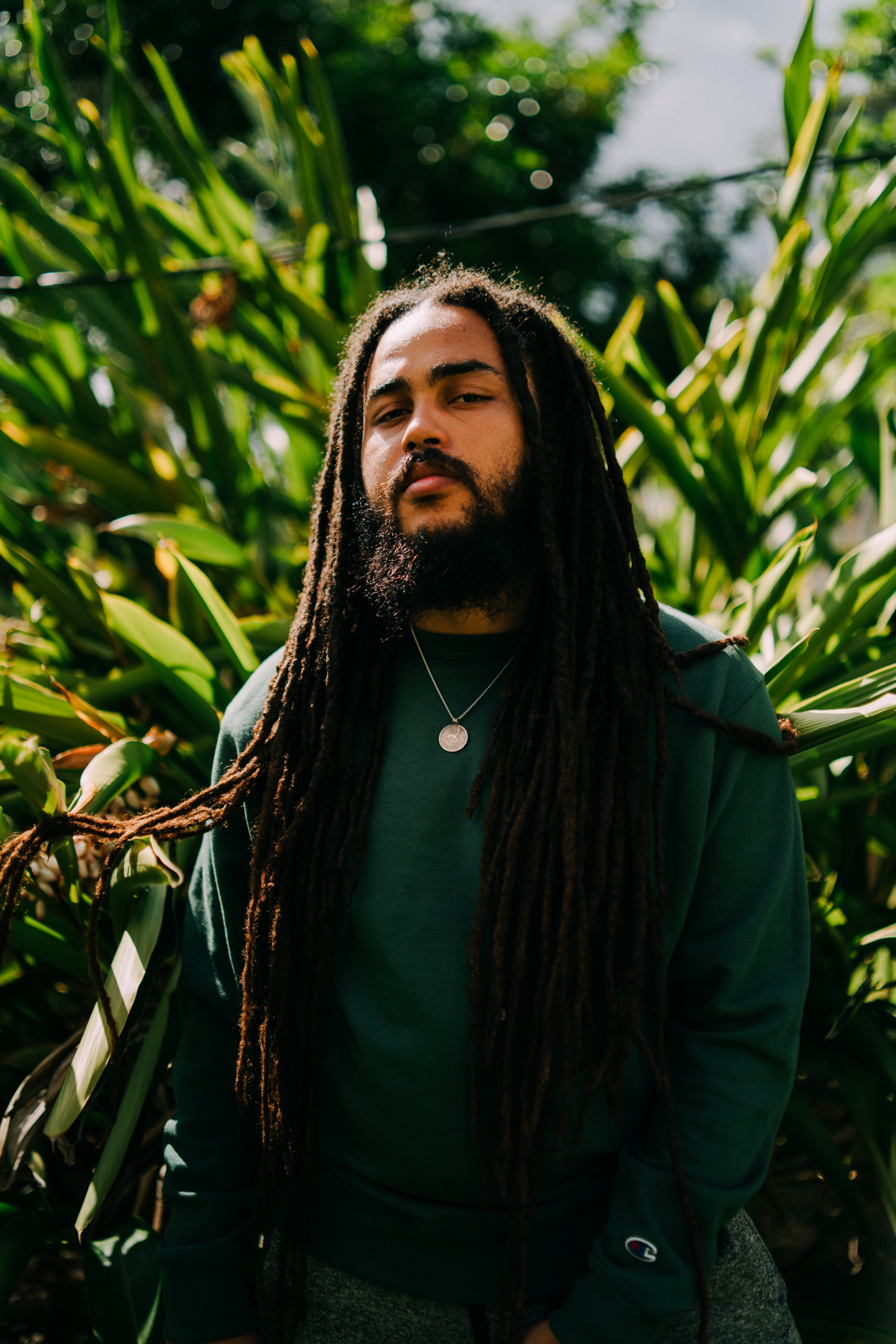
“Last year, when I was starting to put my project together I was going through these folders of beats that nobody wanted, and I’m like, ‘Hey, these are really cool! Maybe I could do something with these.’ So many things can be repurposed, whether it’s making a song for myself, or I can send that little experimental weird idea to somebody and they’ll use it in a short film. Or maybe somebody uses it in the opening credit of their YouTube vlog, I don’t know. That’s how I’m trying to transform my workflow right now, to break out of just making beats.”
Collaboration
We asked Iotosh how he works best: with a partner together in the room, or by himself. “Most times I do it in my own space/setup. I don’t mind working around the artist, but I prefer to think about it; sit with myself and explore things. Then I’m more likely to go out on a limb and try something, whereas when I’m with the artist they may get concerned and feel, ‘hey, that’s not where we’re trying to go with this’ before I’ve even begun to explore a new idea. By myself I can take the time to explore the idea: maybe try this really weird sample, pan it far left, and turn it down very low, and then it does it for me. They don’t recognize it, but it makes a difference. But it’s another thing when you’re fine-tuning the song, I do that with the artist, because at the end of the day both of your visions have to align for it to make sense.”
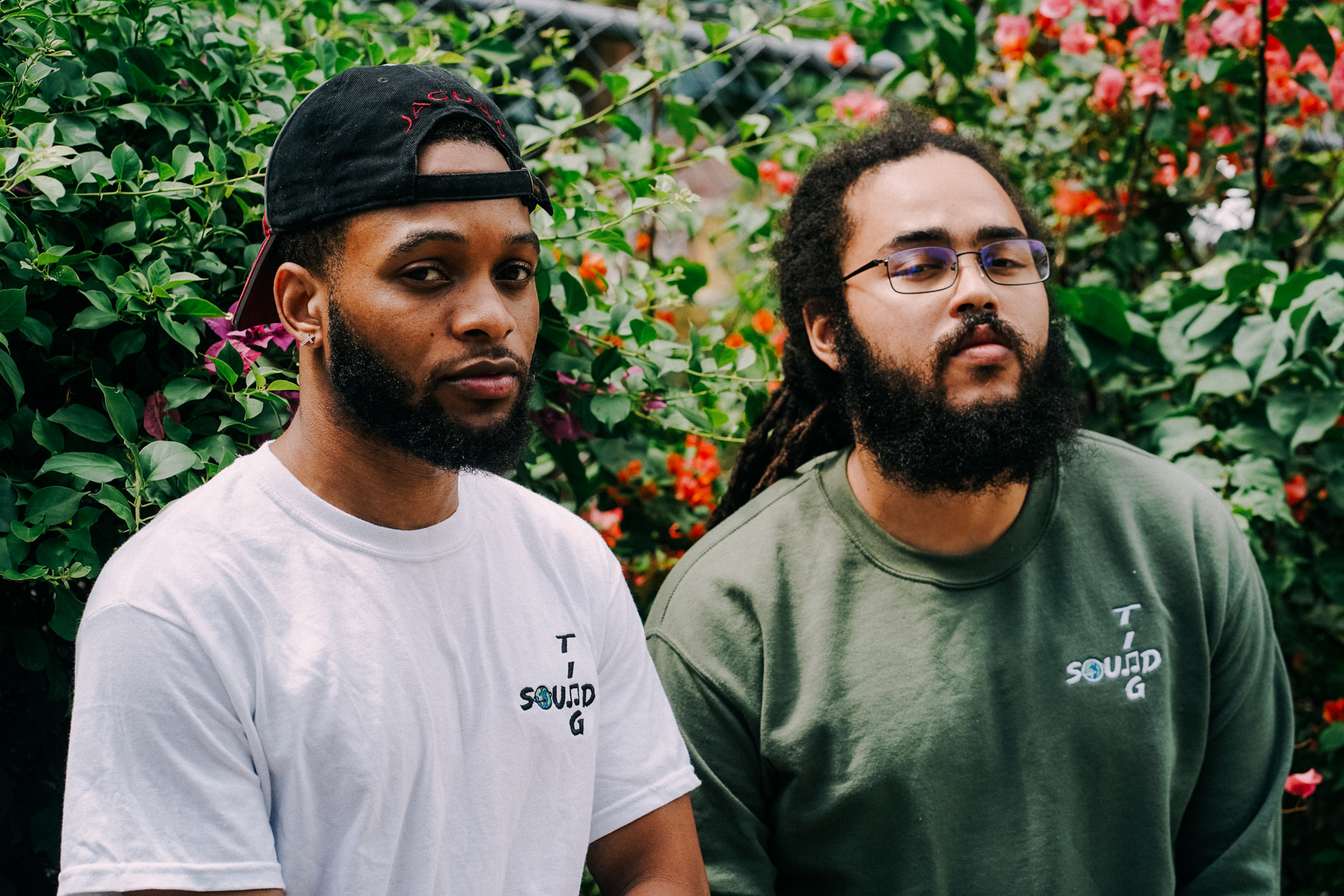
In 2019, Iotosh formed his own label, called Sound Ting along with his close friend Kyraxx. “It’s really cool to see something that we did in high school become a fully fleshed-out reality.” He mentions, “We went to the same high school together — he has been the biggest influence in my career, just based on his putting me onto so many different types of music over the years. I’ve produced almost all of his music, and we release it through Sound Ting. That really was the birth of the label, it was just a collaborative space early on, and then as we became more well-versed in the business of music we decided to make it a formal label, and designate our masters to this ‘thing’.”
“It’s really cool to see something that we did in high school become a fully fleshed-out reality.”
Tools and Tips
The main instruments I’m using are a Yamaha AES620-HB guitar that my father’s friend gave him, and a Jay Turser JTB-40 bass that I’ve been using since I was a child. Most of the rest of the sounds that I use are sample-based and plug-ins. I don’t have a lot of outboard gear: I don’t have the best mic, I’m just using what I have, and what’s available to me to try to make things as dynamic as possible. I’m using a lot of virtual rack effects, especially with my guitar. I’ll process it until it doesn’t even sound like a guitar. I’ll heavily gate it and it’ll sound like a synth stab, things like that.”
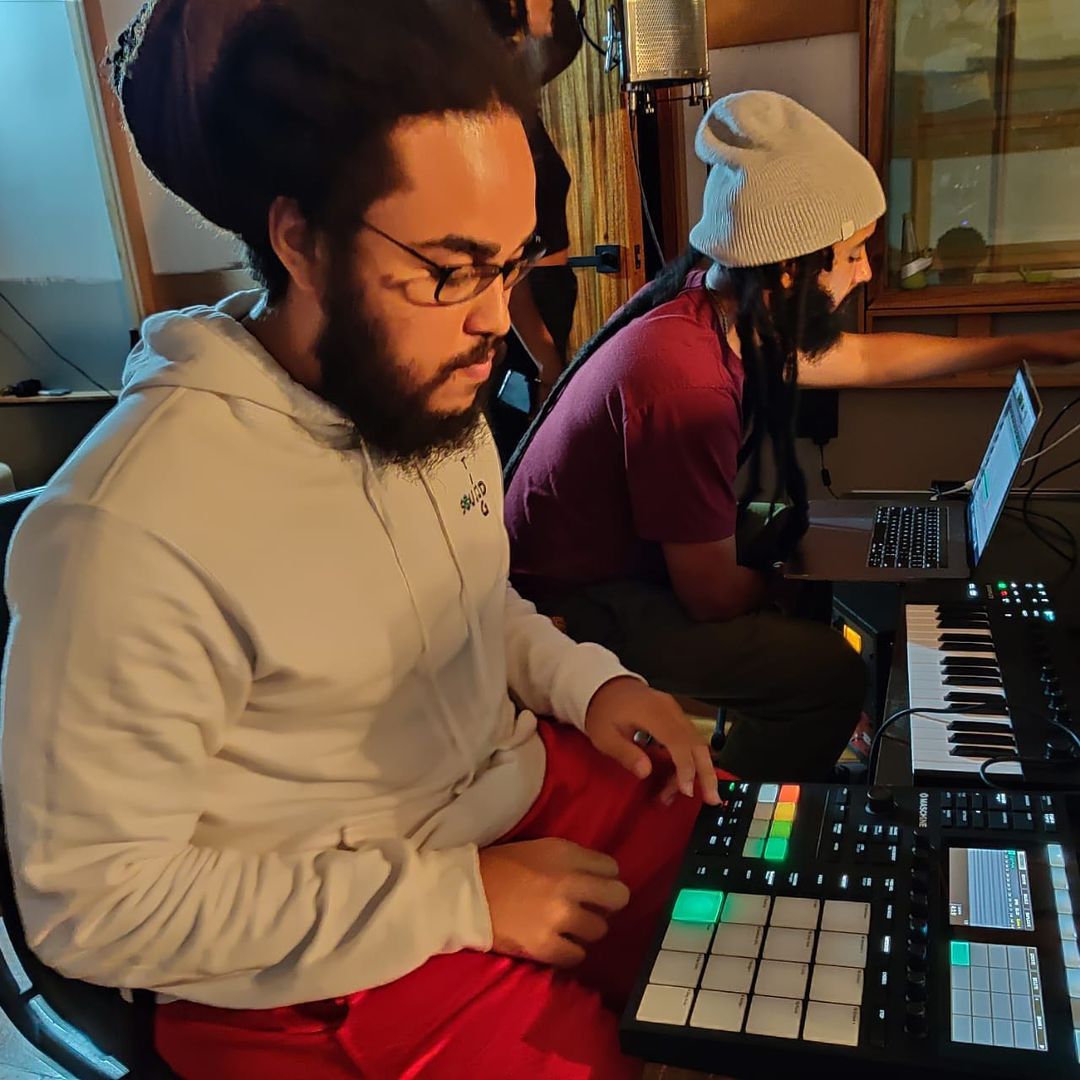
He recently checked out ILIO's Andy Narell Steel Pans and had this to say, “I’ve been playing around with them in the idea stage so far. What’s funny is that before I watched your video about the making of them, and then trying them out, I was not really a steel pan fan. But when I checked them out it blew my mind how very realistic they sounded, and how the functionality was designed. That knob where you can change the tone, that really opened up the role the steel drum could play in a production for me. So as somebody that likes to play sustained chords, I turn that tone knob down really soft, play the chords and then turn up the reverb to make it huge and I loved it!”
“It really blew my mind, to be very honest, how versatile those steel pans are.”
“And I liked the roll function: again when I wash it in reverb it can sound like a sustained pad. Maybe I’m not using it in the most traditional sense, I mean I’m not making soca music <laughs>, but I’m finding cool ways to blend it seamlessly into my style.”
Future Plans
Looking forward, Iotosh shares, “Right now I want to get myself and Kyraxx more established as artists, because most people know me as a producer, obviously, but I am also an artist, and I had a little bit of success with my last release. It made me realize, ‘alright, I can maybe utilize Sound Ting and really push our music further.’ So that’s the focus right now. Working on my debut project as an artist as well as Kyraxx’s.”
“I’m also working on a new album with Protoje that’s slated to be released in the summer. I produced the majority of that as well. I’ve got some really great drum production on that, which I’m proud of. It’s not just the sound selection, but I’m experimenting more with saturation and other processes. For a reggae project it’s not going to sound reggae off the bat, it’s going to be reggae in a way that you can’t put your finger on.”
Looking further forward, Iotosh muses, “There are artists that I want to work with, but maybe not even sign them; maybe it’s just a collaborative thing where we just do a project together and split stuff. I’m more interested in partnership than signing anybody for now.”
Produced by Iotosh: https://iotosh.fanlink.to/productions
Songs by Iotosh: https://open.spotify.com/playlist/7FxmFj0vWwmCZVZHLLop7L?si=6635a779c44142b8
Socials: https://www.instagram.com/iotosh/ , https://www.facebook.com/iotosh/