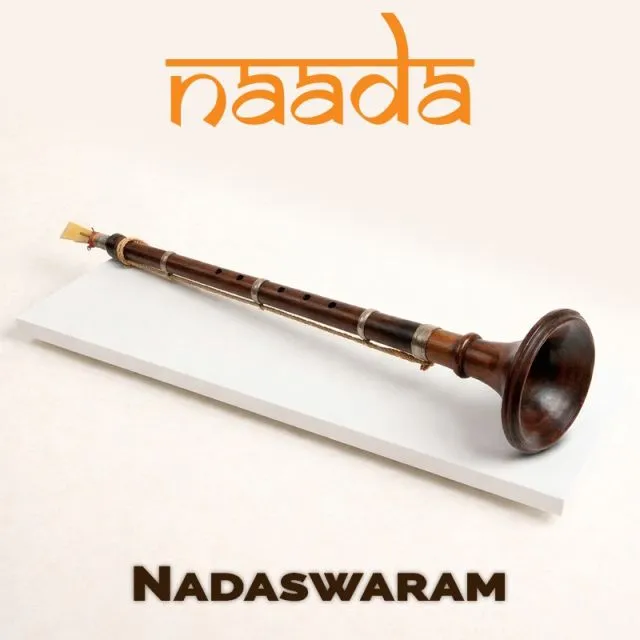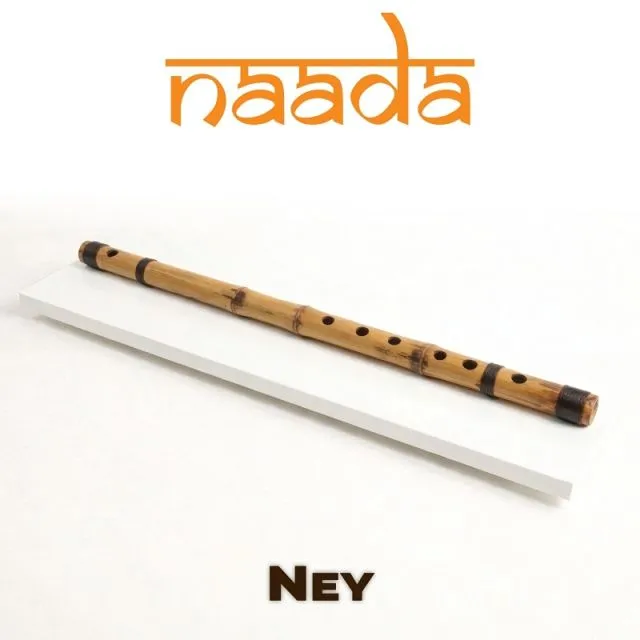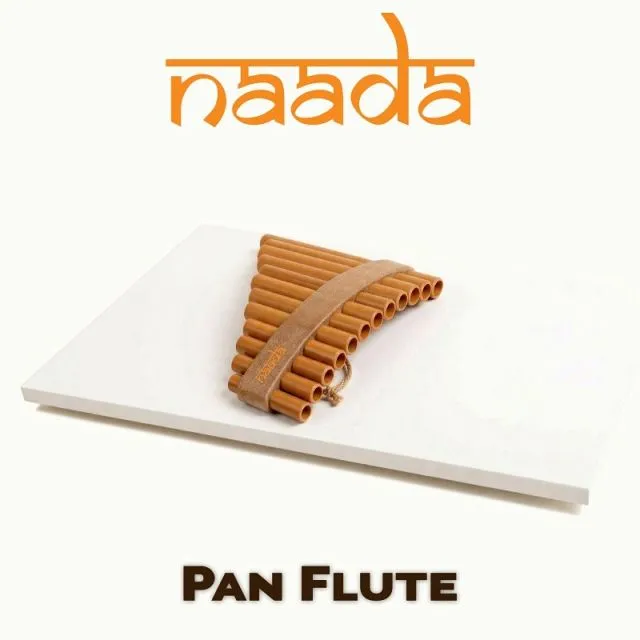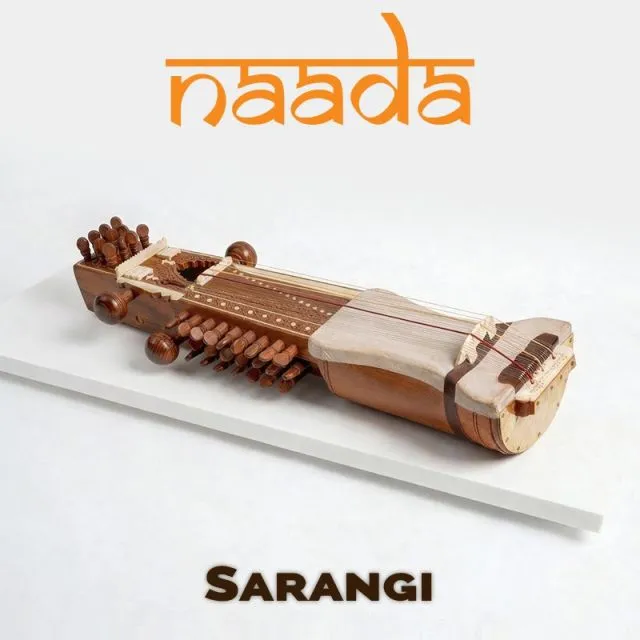
Naada Rudra Veena
Play with dynamics, articulation, and emotion, effortlessly. Naada Rudra Veena brings the deep, meditative voice of the Dhrupad tradition into GeoShred Studio, where sustained pitch glide, low-frequency resonance, and slow ornamental phrase shapes respond directly to pressure and gesture on the playing surface. The instrument is fully polyphonic, supporting chords and layered melodic lines simultaneously.
Works with MPE controllers, wind and breath controllers, and GeoShred Control, a free iPhone and iPad companion app that delivers a multi-touch expressive surface for live performance.
Naada Rudra Veena runs inside GeoShred Studio, with a license included for customers who do not already own one.
Naada Rudra Veena – Physically Modeled Dhrupad Veena for GeoShred Studio
THE DEEPEST RESONANCE IN THE PLUCKED STRING WORLD, NOW UNDER YOUR FINGERS
Naada Rudra Veena runs inside GeoShred Studio, where the extraordinary low-frequency sustain and meditative phrasing of North India's most ancient plucked instrument are accessible across a multi-row continuous pitch surface. Draw slow glides between tonal centers, press into the grid to shape pluck intensity and decay, and move across rows to explore the instrument's deep bass register. The AccelMatrix Naada physical modeling engine generates each note as a real-time acoustic event. Because the instrument is polyphonic, you can hold a sustained bass tone while developing melodic ideas above it, or voice full chords across the surface. GeoShred's integrated FX rack adds EchoMT, Reverb, and AmpCab processing directly in the signal chain.
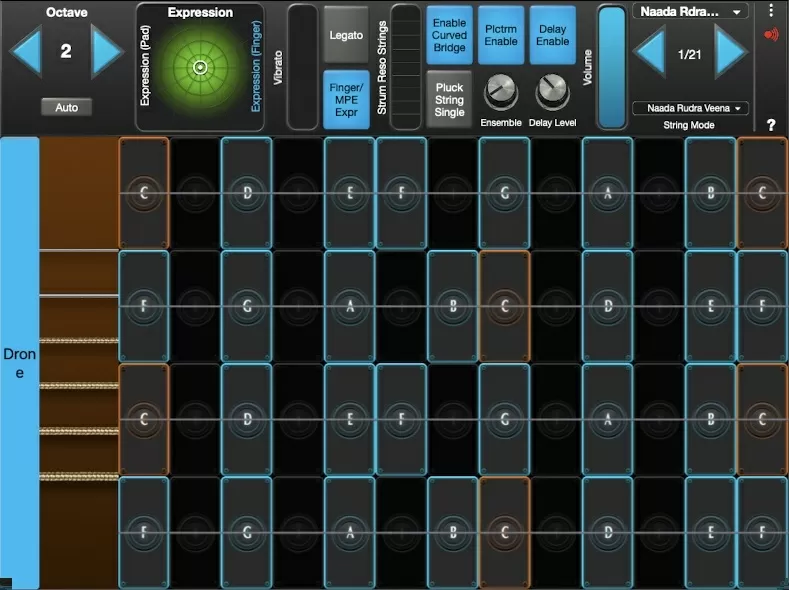
What's Inside Naada Rudra Veena:
- GeoShred's continuous pitch surface with fretless glide, portamento, and sustained pitch movement suited to Dhrupad melodic phrasing
- Polyphonic performance: hold bass drones under melodic development, voice chords, or layer independent phrases simultaneously
- Direct access to rudra veena model parameters including string resonance, gourd body response, and tonal shaping
- Integrated FX rack with EchoMT, Reverb, and AmpCab available as part of the performance signal chain
- Full controller support: MPE controllers, wind and breath controllers, GeoShred Control companion app
- AccelMatrix Naada physical modeling engine generating each note as a continuous acoustic simulation
An Endangered Tradition, Physically Modeled
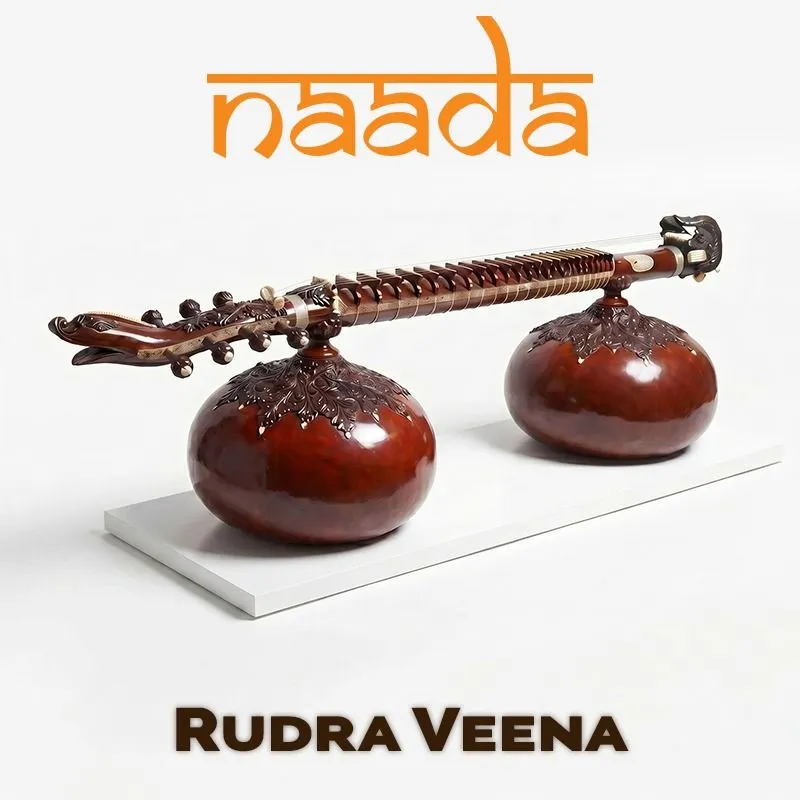
The rudra veena is among the rarest instruments still performed in the Hindustani classical tradition. Its two large gourd resonators produce a bass register deeper than almost any other plucked string instrument, with a sustain that supports the slow, deliberate phrase architecture of Dhrupad. Associated with Lord Shiva and the contemplative discipline of alap, the rudra veena rewards patience and restraint. The model preserves this character: deep fundamental tones, long decays shaped by twin gourd resonance, and continuous pitch movement suited to the unhurried melodic unfolding that defines Dhrupad performance.
GeoShred Studio and GeoShred Control
GeoShred Studio operates as a VST3, AU, or AUv3 plugin inside major DAWs, or as a standalone application. Its isomorphic surface is tuned in perfect fourths, providing a layout where melodic intervals repeat consistently across rows. Pressure and gesture are mapped continuously to instrument parameters, making the surface a direct conduit for expression rather than a series of on/off triggers.
GeoShred Control is a free companion app for iPhone and iPad that connects via USB, adding a second multi-touch expressive surface for live performance. MPE hardware controllers and wind or breath controllers connect directly to GeoShred Studio as well.
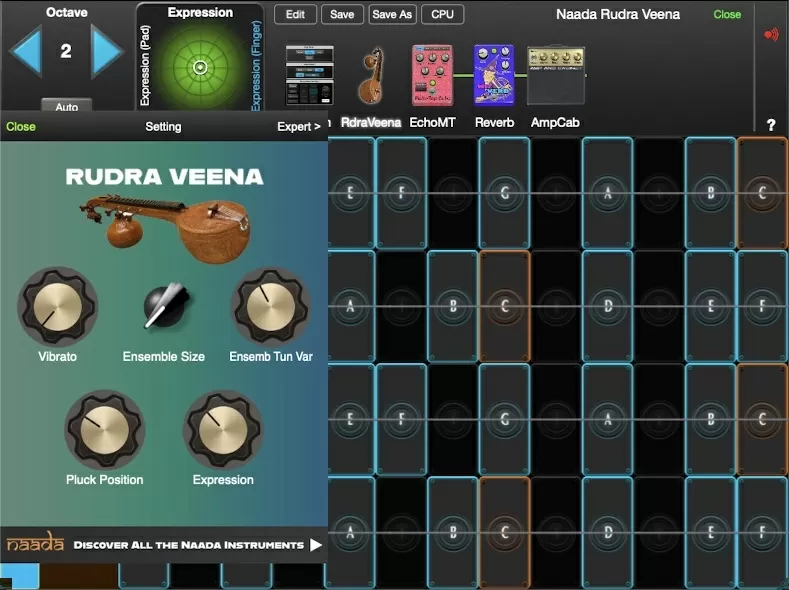
GeoShred Studio Required. Naada Rudra Veena runs inside GeoShred Studio. A GeoShred Studio license is included with purchase for customers who do not already have one. Existing GeoShred Studio owners can use their current license to run Naada Rudra Veena.
FAQ
What is Naada Rudra Veena?
Naada Rudra Veena is a physically modeled North Indian veena powered by the AccelMatrix Naada engine, running inside GeoShred Studio. It captures the extraordinary low-frequency resonance, sustained pitch glide, and meditative phrase character of the principal instrument of the Dhrupad tradition.
Do I need GeoShred Studio to use Naada Rudra Veena?
Yes. Naada Rudra Veena runs inside GeoShred Studio, and a GeoShred Studio license is included with your purchase for customers who do not already own one. If you already own GeoShred Studio, you can use your existing license to run Naada Rudra Veena.
What's the difference between GeoSWAM and Naada instruments?
GeoShred offers two families of physically modeled instruments: GeoSWAM and Naada. While both deliver deeply expressive performance through GeoShred's touch surface and MPE support, they come from different modeling technologies and are designed with different musical goals in mind.
GeoSWAM instruments are developed in collaboration with Audio Modeling and are closely related to their acclaimed SWAM instruments. These models focus primarily on Western orchestral and acoustic instruments such as brass, woodwinds, and strings. GeoSWAM instruments are designed for highly detailed expressive solo performance and operate as monophonic instruments, just like their real-world counterparts.
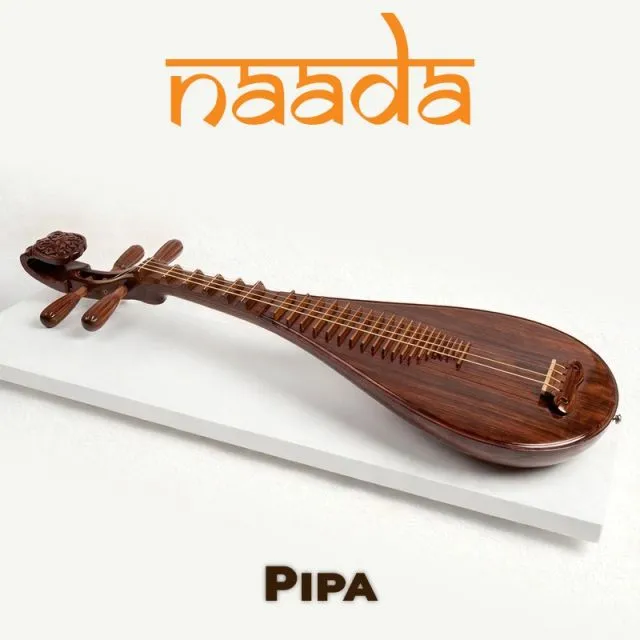
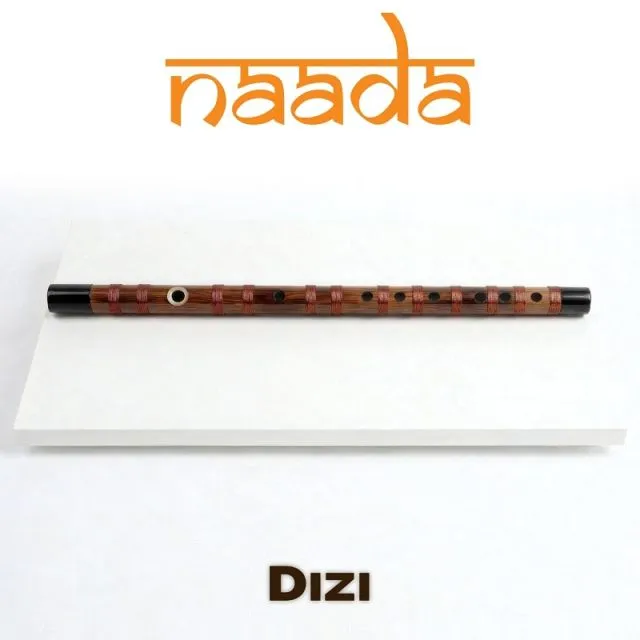
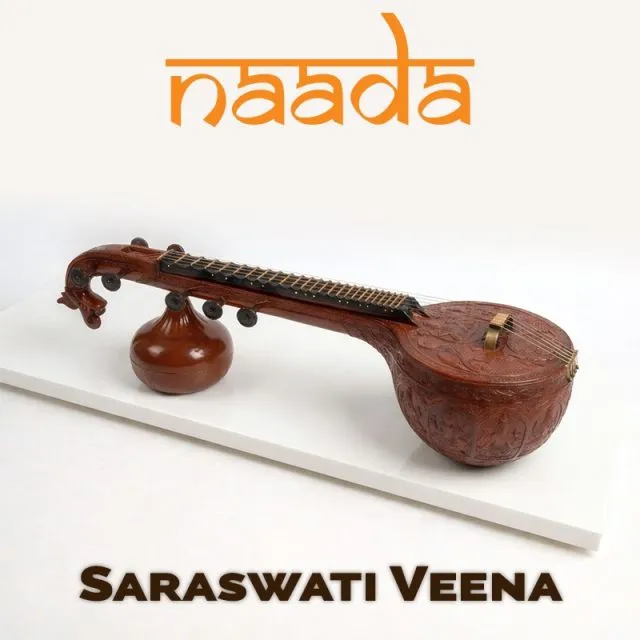
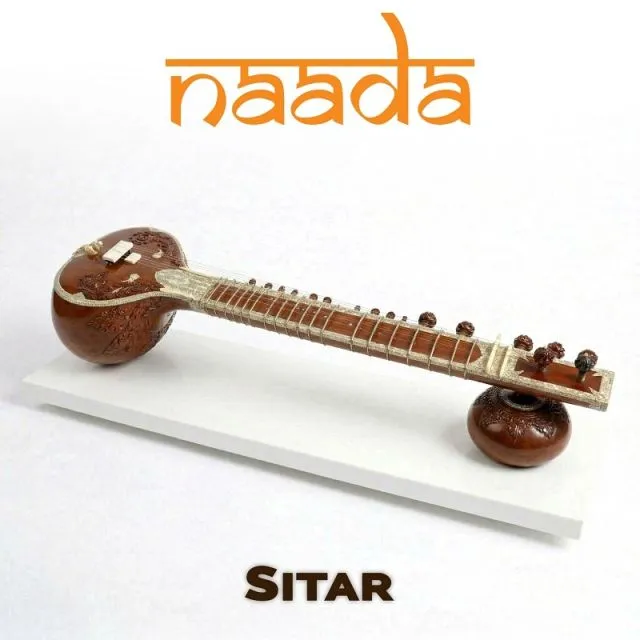
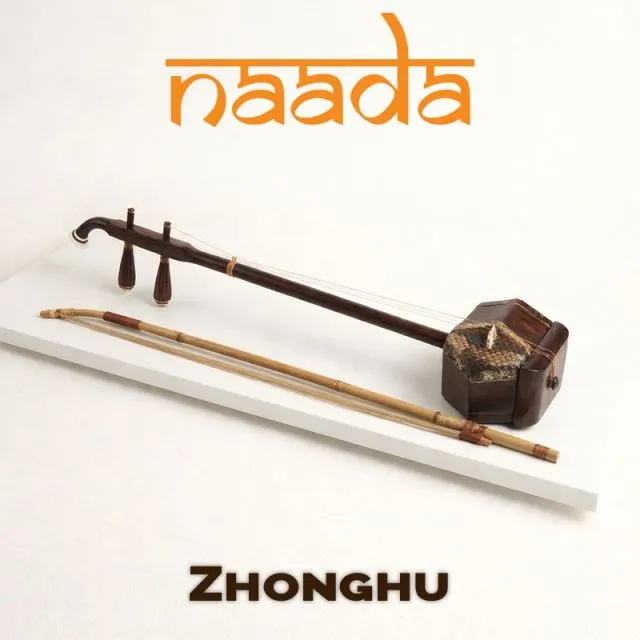
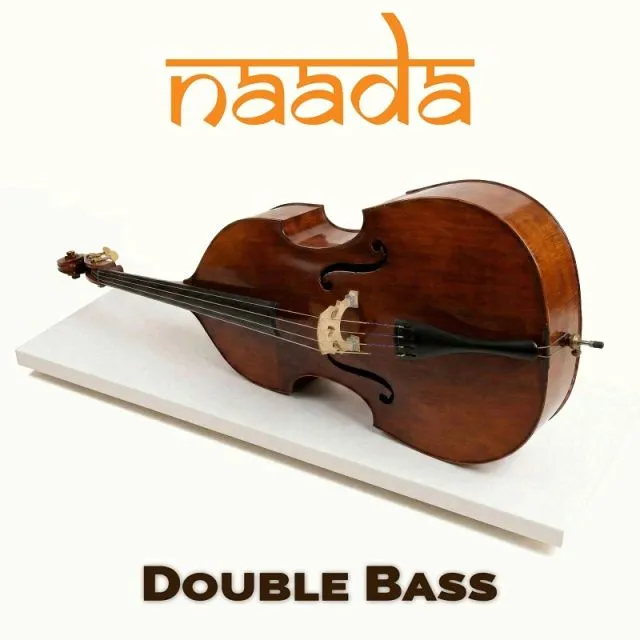
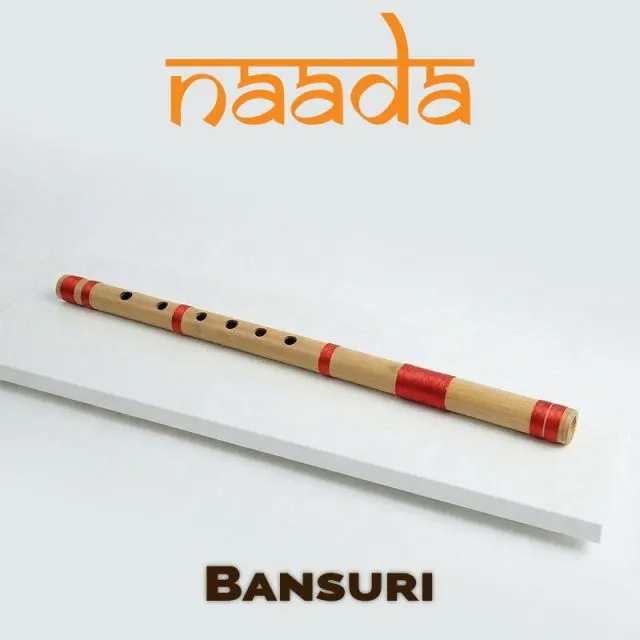
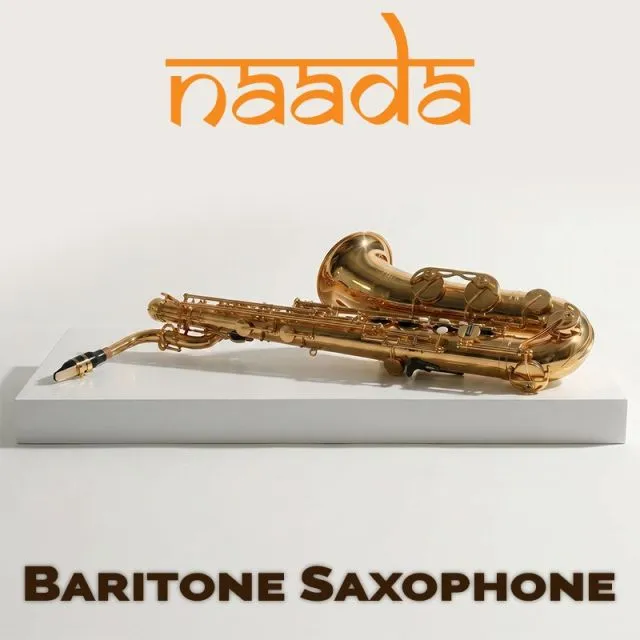
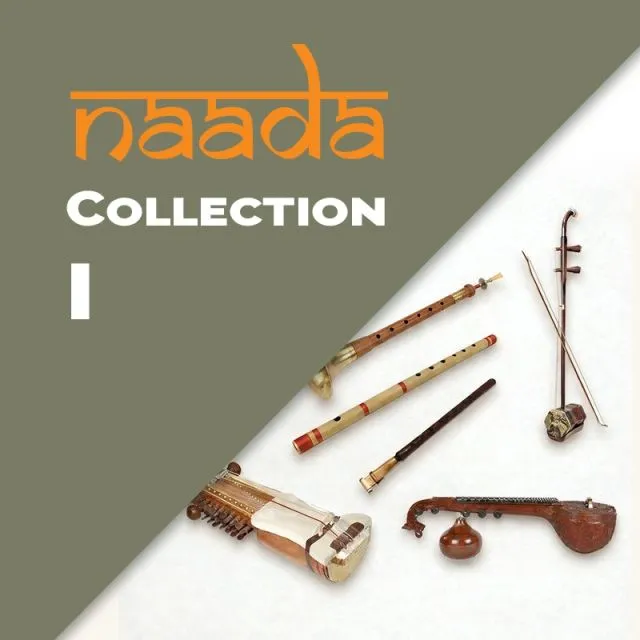
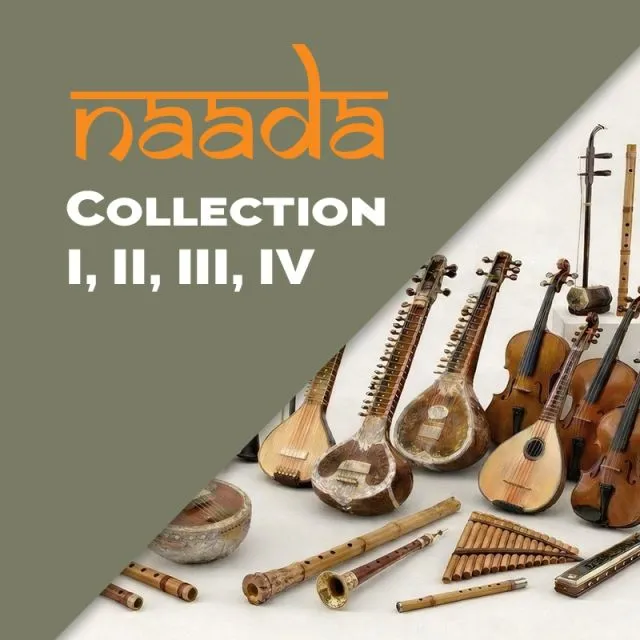
Naada instruments are developed by AccelMatrix and emphasize a broader palette of global instruments, including instruments such as Bansuri, Sitar, Veena, and many others alongside selected Western instruments. In contrast to GeoSWAM, Naada instruments are polyphonic, making them ideal for chords, layered textures, and rich ensemble-style performance.
In short:
GeoSWAM: monophonic, orchestral focus, highly detailed solo performance
Naada: polyphonic, broader global instrument palette, ideal for chords and layered textures.
Both instrument families share the same expressive GeoShred performance environment, giving players an intuitive and powerful way to perform physically modeled instruments.
Do GeoSWAM and Naada instruments use the same parameters?
No. Because the two families use different modeling technologies, each instrument includes its own parameter set tailored to its physical model. These parameters control aspects of the instrument's behavior and performance response.
What controllers work with Naada Rudra Veena?
Naada Rudra Veena works with MPE controllers, wind and breath controllers, the free GeoShred Control iOS companion app, and standard MIDI controllers.
Is Naada Rudra Veena polyphonic?
Yes. Unlike GeoSWAM instruments which are monophonic, all Naada instruments support polyphonic performance, allowing chords, layered textures, and ensemble-style playing.