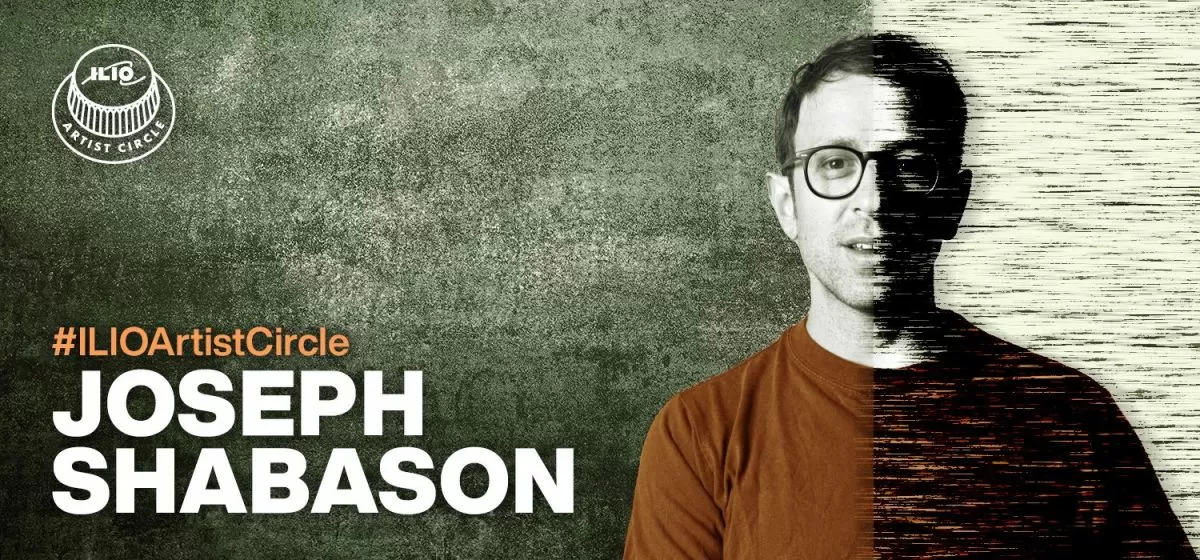
Collaboration, improvisation and technology merge to create new music.
I saw that you could combine things, like the warmth of the horn blended with a very cold sequenced electronic synthesizer… and the sonic possibilities really opened up for me.
“That was the first time that I saw that you could do anything with anything; you can combine things, like the warmth of the horn blended with a very cold sequenced electronic synthesizer… and the sonic possibilities really opened up for me.” That’s Toronto-based musician/composer Joseph Shabason recalling how his time touring and recording with indie-pop band Destroyer opened up his approach to playing his horn, and making music that was free from the strict confines of genre and expectations. He explores that freedom and blending of technology and live player improvisation in a career that has him recording/producing albums for other artists, creating his own music, as well as scoring films and television projects. Our wide-ranging discussion with him touched on all of this (and more), but let’s rewind back to how he got to this uniquely creative place.
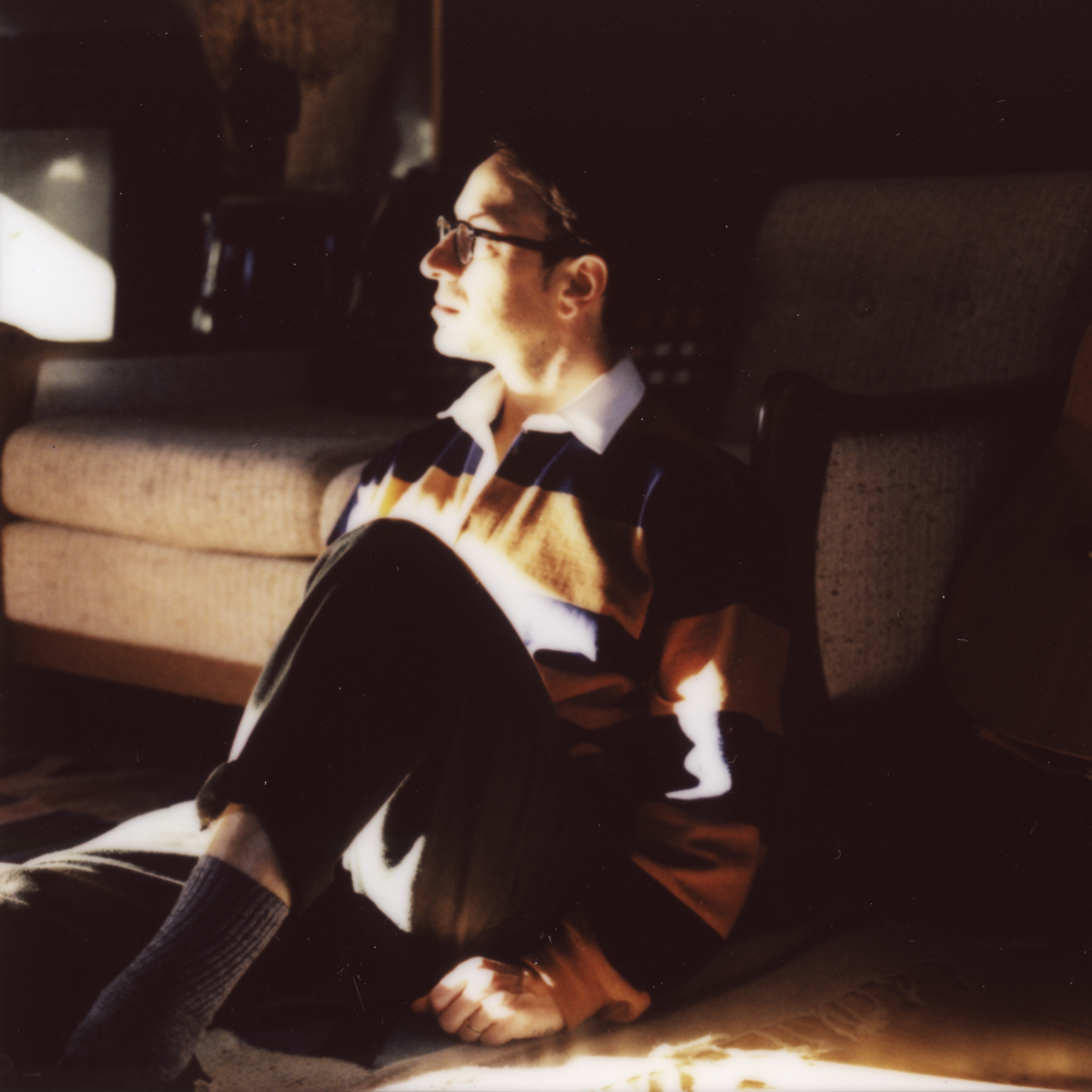
From jazz to other vistas
I always played jazz and listened to it as a counterpart to what I was learning in music lessons,” Shabason recalls. “But mostly I was listening to punk, emo and hardcore music. I went to school for jazz performance at the University of Toronto, where I met the crew who plays on all my records. While I continued to get deeper into jazz, I still kept up with indie rock and that sort of stuff. And I think that was why I felt so out of place sometimes. I was so focused on learning jazz, but all the people who I played with were a year or two older, and more into experimental music — they had a much easier time existing in both worlds. Whereas for me, I really needed to go through a bit of an existential crisis before I realized, ‘oh, I can do both.’ It took me a long time to figure that out.”
Shabason finished school and went on to earn his way as a jazz saxophone player, playing low-paying jazz gigs, better-paying weddings and other commercial music work. Over time he tired of that, and even stopped playing the sax for a while, starting to make music using synthesizers just for his own expression and enjoyment. The opportunity to play in a couple of bands brought him back to the sax, as he explains: “One was this band called Jewish Legend. And the other was with a band fronted by Andre Ethier. So that was playing saxophone in more of a rock context versus jazz. Andre and I still make records together, under the name of Fresh Pepper.”
After playing some opening slots for famed indie band Destroyer, he got together with Dan Bejar, the group’s founder for a social visit, but Dan asked him to bring his horn. He ended up in the studio, improvising over the songs that became the band’s iconic record, Kaputt. The music they made together had a profound effect on his musical outlook: “What makes Destroyer fun and interesting is what frames these really verbose wild songs,” Joseph shared. “At that point, I think Dan was very open and interested in more expansive, improvisatory accompaniment, which just lent itself to those songs in a really cool way. Playing with the band, I learned to be more open to shifting your sound up and really trying to search for something more meaningful, that doesn't necessarily adhere to something that is familiar, that's come before you.”
Joseph Shabason with Destroyer on Late Night with Jimmy Fallon (Feb 22, 2011)
I learned to be more open to shifting your sound up and really trying to search for something more meaningful, that doesn't necessarily adhere to something that is familiar, that's come before you.
Shabason got to live out his rock fantasies touring with a very successful band, but he quickly tired of that, and once he started a family he knew his lifestyle needed to change. Armed with a small bank loan he got a better computer, microphone, some outboard gear and sample packs and strived to get into advertising work. He did that work for a few years, but again realized this was not the path he wanted to take. He had been releasing his own music all along, and started to get offers from people wanting him to score their small films in the style of music he was already making. “I saw a way forward where I can be my own boss, choose my own hours, but also not be in advertising and do something that I love. Now I just make my living scoring and making records. It worked out, which feels pretty lucky.”
Sharing how he found work, he said, “People would hear my records and say, ‘I love this track’, or ‘I love this album, would you want to score my movie, in the vein of this album you've released?’ That felt great, because it wasn't me getting hired to ape somebody else's style. The scores ended up being something that was an extension of what I was doing with my own original music, and it was a pretty organic, seamless transition.”
Joseph Shabason from his 2021 album, The Fellowship
Blending the use of technology and live improvisation
Shabason’s workflow tends to start with him making MIDI-based demos to set the direction, style and vibe of the music, but then bringing in live players to add to the demo, often replacing elements of the sketch until it takes a life of its own. “I can write demos,” he states, “but everything I do is what it is because I bring in people who can help flesh out these more skeletal demos. I know my limitations as a player; everything I do always involves that broader community. I love how many great players are here in Toronto… honestly, I couldn't do it without them.”
Everything I do is what it is because I bring in people who can help flesh out these more skeletal demos.
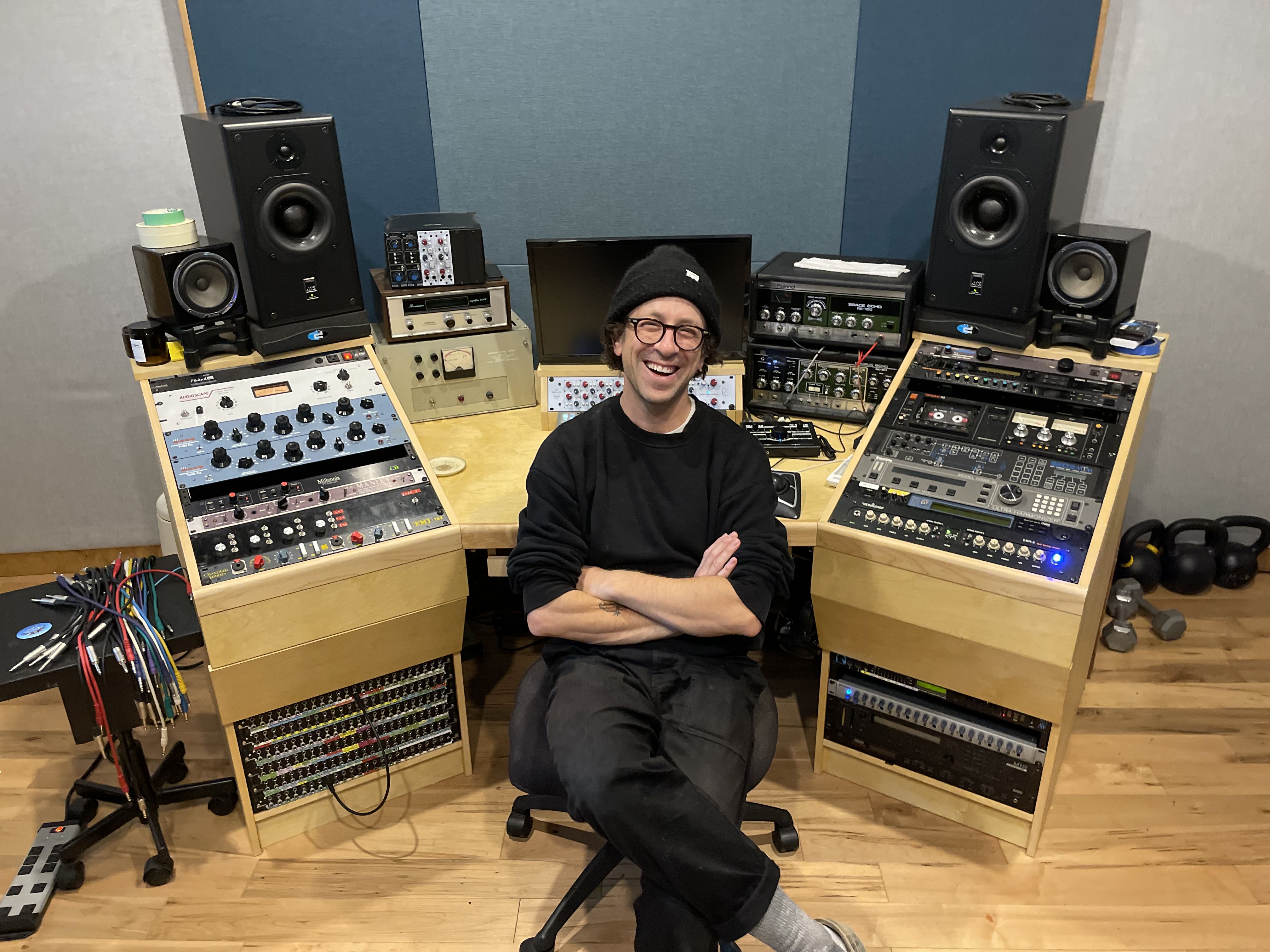
Over the years Joseph has collected a diverse collection of hardware synths and keyboards, including coveted axes like an OB-6, a Korg MS-20, A Prophet 12, a Juno-6 and JX-8P, and both a Rhodes and a Wurlitzer electric piano. Added to that are some quirkier instruments like an Ensoniq SQ-1 Plus, an Alesis QS-8, both a Maxi-Korg and Poly Ensemble, and Yamaha SY-77: for drums he has a Roland TR-77 and an 808 clone. His beautiful home studio has all the keys mounted on the walls with patch bays behind them so they’re connected, normalled and always ready to go. A decent selection of mics and outboard gear rounds out the hardware side, but Shabason is plenty comfortable working in the box as well.
But for synths it's pretty much only Omnisphere and Keyscape.
Asked about soft synths he is surprisingly frugal on what he uses. “Not a lot of synths, to be honest. I really love Keyscape, and for textures, I always go to Omnisphere. I rarely use soft synths unless I want that hybrid digital thing. I'll use Kontakt for emulating real instruments, often vibraphone, gamelan and marimba. But for synths it's pretty much only Omnisphere and Keyscape.”
The latest additions to his toolkit are the modeled horns from a company called Audio Modeling™. “I used the SWAM instruments when I was writing my newest record” Joseph shared. “Especially the trumpet — it's just the realest trumpet sound that I've encountered in all of the soft synths that I have. The control over vibrato and attack using it with a regular MIDI controller was amazing. A lot of those sounds made it into the final recordings, as a way of padding out the real trumpets that I recorded. The combination of real horns, and the SWAM horns gives you a much bigger section sound. Yeah, I loved it.
The combination of real horns, and the SWAM horns gives you a much bigger section sound.
He continues, “I use the SWAM stuff for a lot of experimentation when first writing my demos, it’s so great having the tools to experiment with different section sounds. It gives you such an accurate picture of what it's going to ultimately be like.”
New Music
Shabason’s latest project is an interesting concept. He explains, “I've skateboarded since I was fourteen. Most of what I watch, if I'm being honest, are the skate videos, I think it's such a wild, vibrant culture. So I thought it'd be cool to take a video that everyone knows, Welcome to Hell, which was such a huge pivotal video for me as a kid, and re-contextualize it. Take out all the music and write a totally new score for the video. It was just a fun way to approach an album that took me out of my comfort zone, but also allowed me to engage with something that has a lot of meaning for me.”
Joseph Shabason's single from his upcoming album, Welcome To Hell, featuring Audio Modeling's SWAM instruments.
For me, the parallels between skateboarding and improvised music, jazz specifically, are very real.
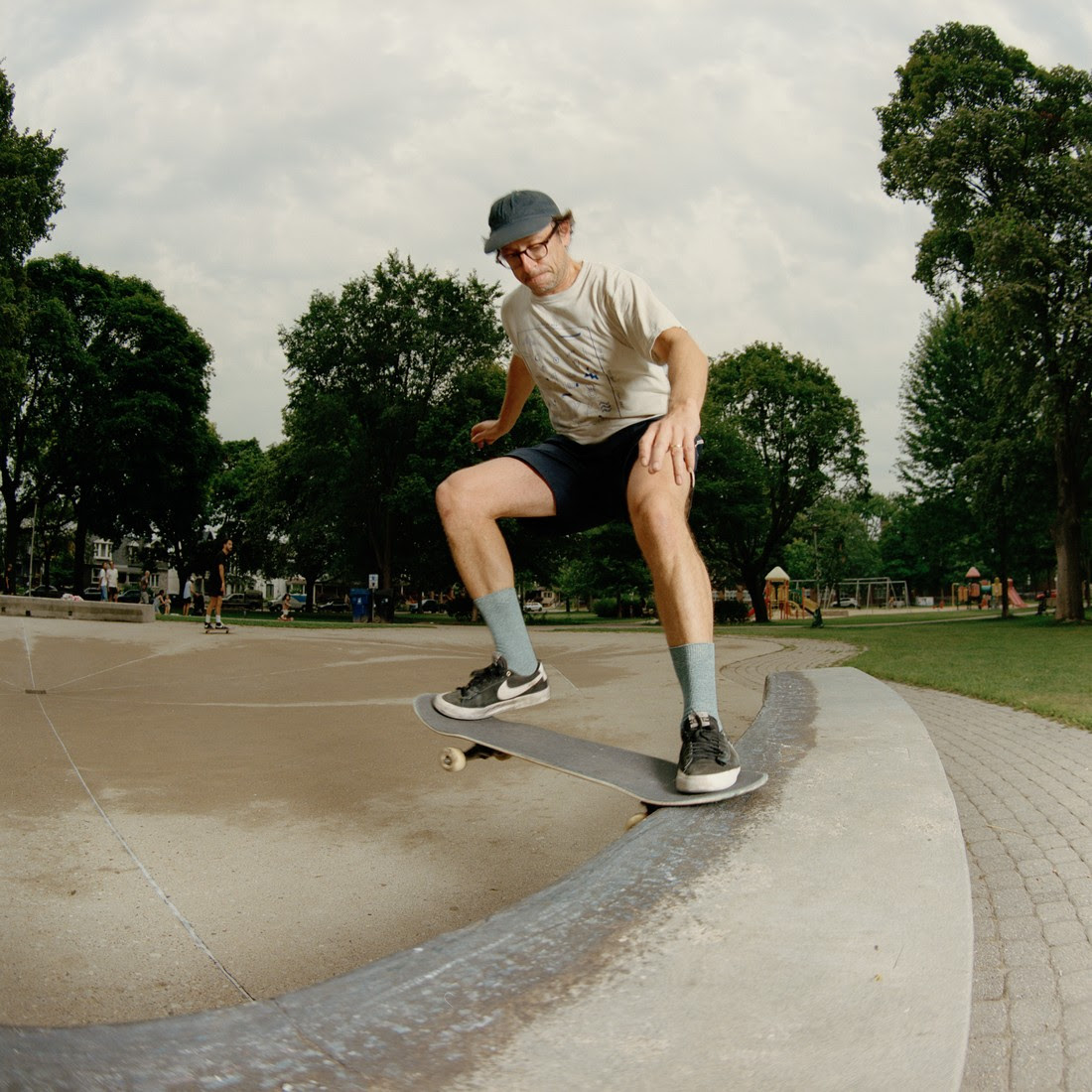
Joseph shares an interesting perspective: “For me, the parallels between skateboarding and improvised music, jazz specifically, are very real. I think with jazz, you have this shared musical language. And then what each player chooses to do with that language, and how they interpret it makes them an interesting, unique player. It’s the same with skateboarding. You have this bag of tricks, and you have this shared landscape of buildings, curbs, whatever. And then you see the way that each skateboarder approaches an obstacle, or the way they approach a trick, and they're improvising: it's the same as music.” Shabason hopes to have the project out in September, and then do some live shows with it, perhaps even a few at skate parks.
For more info on Joseph Shabason, visit here.